Smoked Salmon Recipes: 25+ Ideas for Smoking, Cooking & Using Smoked Salmon
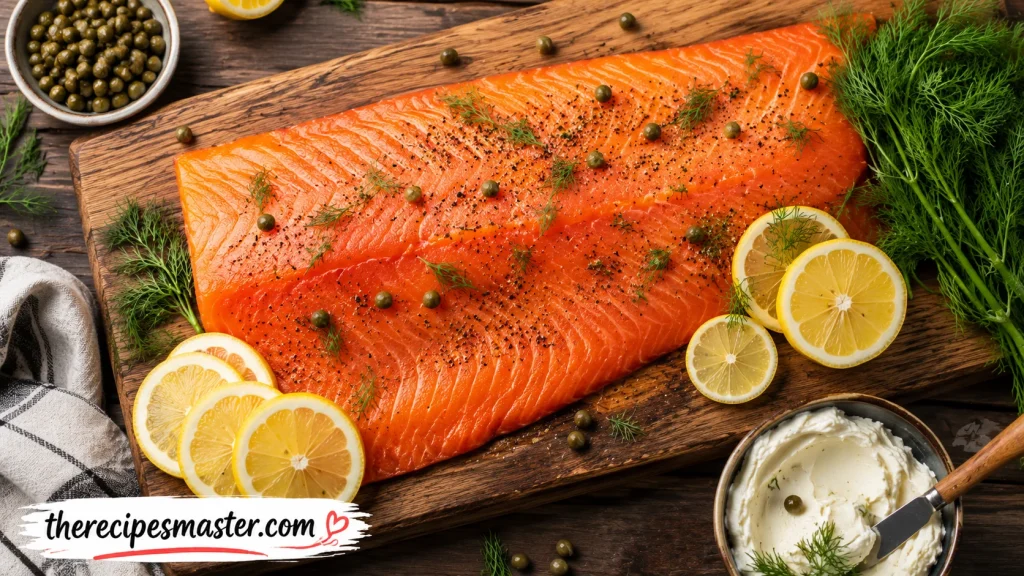
Smoked salmon is one of those things that looks hard to make but is actually pretty simple once you know the basics. Whether you want to smoke it at home or you already have a pack from the store, this guide covers everything how to smoke it, what to do with it, and how to not mess it up.
You’ll find 25+ smoked salmon recipes here, broken down by meal: breakfast, lunch, dinner, appetizers, and party food. You’ll also get a full step-by-step smoking guide, a troubleshooting section, storage tips, and answers to the most common questions people have.
Let’s get into it.
Hot Smoked vs Cold Smoked Salmon — What’s the Difference?
A lot of people don’t know there are two completely different types of smoked salmon. They look similar in the store but they’re made in totally different ways.
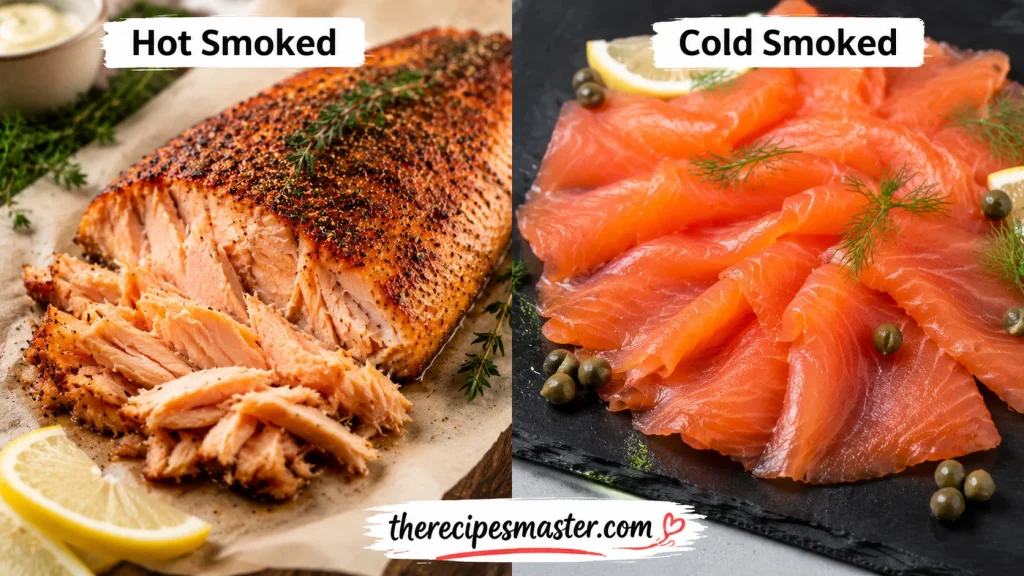
Hot smoked salmon is cooked all the way through using heat and smoke at the same time. The temperature inside the smoker stays between 120°F and 175°F (50–80°C). The result is flaky, fully cooked fish kind of like baked salmon but with a smoky flavor. This is what most home cooks make. It’s easy, safe, and great for all kinds of smoked salmon recipes.
Cold smoked salmon is what you usually see in fancy packaging at the grocery store those thin, silky slices. The fish is cured with salt first, then smoked at very low temperatures (below 90°F / 32°C). The smoke flavors it but doesn’t cook it. Cold smoking takes special equipment and careful temperature control, so it’s harder to do at home.
| Check List | Hot Smoked | Cold Smoked |
|---|---|---|
| Temperature | 120–175°F | Below 90°F |
| Texture | Flaky, firm | Silky, soft |
| Fully cooked? | Yes | No |
| Difficulty | Easy | Advanced |
| Best for | Dinners, salads, dips | Bagels, sushi, charcuterie |
| Time | 1–3 hours | 12–24+ hours |
For this guide, most of the smoking instructions are for hot smoked salmon it’s safer and easier for home cooks. Cold smoked salmon from the store works perfectly in the recipe ideas section.
How to Smoke Salmon at Home — Step-by-Step
Step 1 Pick the Right Salmon
Any salmon works. But some are better than others for smoking.
Go for skin-on fillets if you can. The skin protects the bottom of the fish and keeps it from falling apart on the grates.
Fresh or frozen both work. If frozen, thaw it in the fridge overnight. Don’t rush thaw it on the counter. Cut your fillet into pieces around 4–6 oz each. Smaller pieces smoke more evenly.
Step 2: Brine Your Salmon (Wet or Dry?)
This is where most recipes differ. You can brine your salmon two ways wet or dry. Both work. Here’s the actual difference:
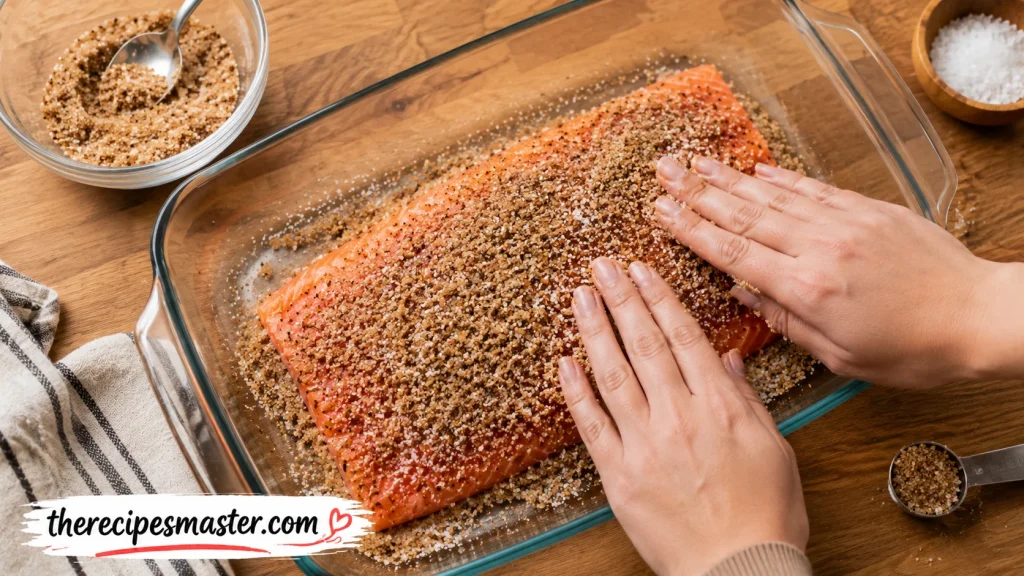
Dry Brine Mix salt and brown sugar together and rub it all over the salmon. Put it on a rack over a tray and refrigerate uncovered for 1–4 hours. The salt draws out moisture, seasons the fish, and firms up the texture. This is the easier method. Brown sugar smoked salmon made with a dry brine has a slightly caramelized outer crust really good.
Basic dry brine ratio: 2 parts brown sugar to 1 part kosher salt.
Wet Brine Dissolve salt and sugar in water. Submerge the salmon completely. Refrigerate for 4–8 hours. Wet brining gives you a slightly juicier result and lets you add other flavors easily (garlic, soy sauce, bay leaves, black pepper).
Basic wet brine ratio: 1 quart water + ¼ cup kosher salt + ¼ cup brown sugar.
Which one should you use? If this is your first time, go with dry brine. It’s faster, easier to control, and the results are great. Wet brine is worth trying when you want to experiment with flavors.
After brining, rinse the fish gently under cold water and pat it completely dry with paper towels.
Step 3: Form the Pellicle (Don’t Skip This)
After brining and rinsing, put the salmon on a wire rack don’t stack the pieces. Let it sit in the fridge or in a cool spot with airflow for 1–4 hours. You’ll notice the surface gets tacky and slightly shiny. That tacky layer is called the pellicle.
The pellicle is like a sticky coat that helps smoke stick to the fish. If you skip this step, the smoke rolls off the surface instead of soaking in. Your fish will look patchy and taste less smoky.
You can’t rush this with a fan or a hair dryer (seriously, some people try). Just let it air-dry on its own.
Step 4: Choose Your Wood
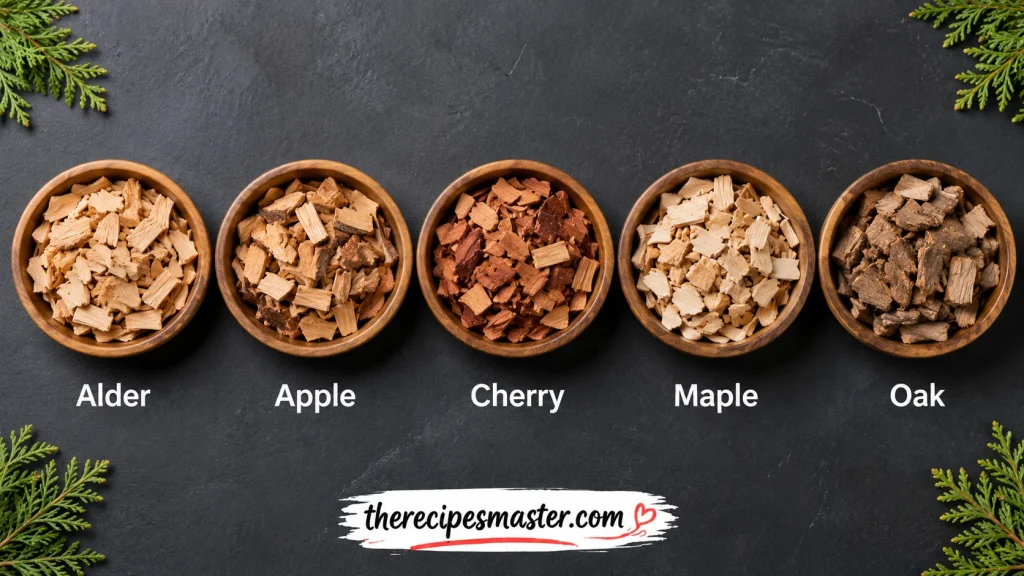
Wood choice changes the flavor of your smoked salmon more than almost anything else.
For a pellet grill, alder or apple pellets are your best bet. For wood chips in a charcoal smoker, soak them in water for 30 minutes before using.
Step 5: Know Your Smoker
You don’t need a specific brand or type. Here’s how each smoker type handles salmon:
Electric smoker: The easiest option. Set the temperature, add wood chips, and walk away. Good for beginners.
Pellet grill (Traeger, Pit Boss, etc.): Easy temperature control, consistent results. Lots of people use these for smoked salmon recipes on the Traeger. Works great.
Charcoal grill (kettle style): Set up for indirect heat. Put coals on one side, fish on the other. Add soaked wood chunks for smoke. Takes more attention.
Offset smoker: The best flavor. But there’s a learning curve to keeping temperatures steady.
Stovetop smoker: A small metal box with wood dust that sits on your stove burner. Great if you live in an apartment. Limited in size but works well for small amounts.
Step 6: Temperature & Time
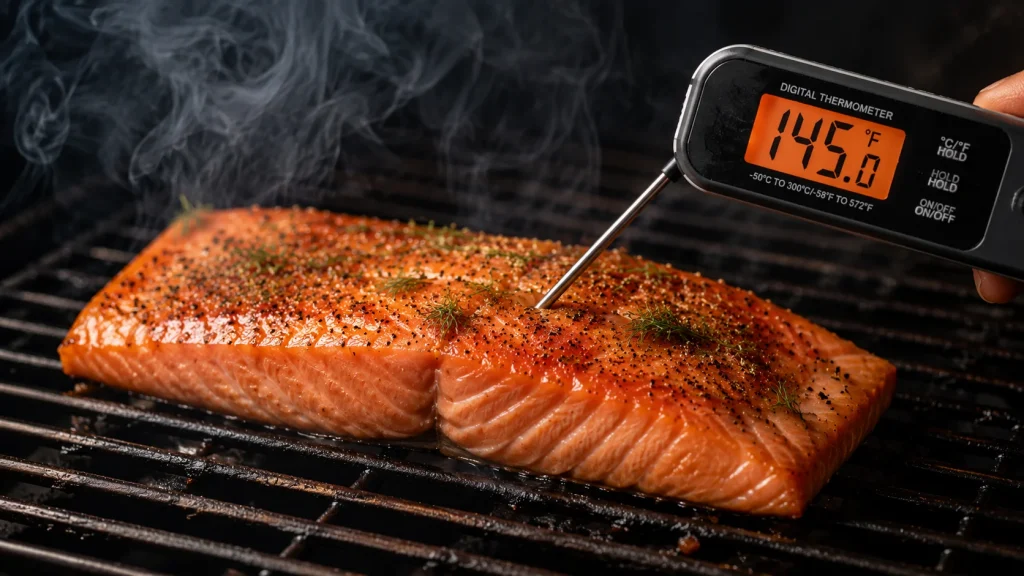
This is the most important part. Salmon is done when the internal temperature hits 145°F (63°C). That’s the food-safe target.
Pull it off at 140°F and let it rest it’ll climb to 145°F on its own.
| Smoker Temp | Time |
|---|---|
| 225°F | 90–120 minutes |
| 250°F | 60–75 minutes |
| 275°F | 45–60 minutes |
The thickness of your fillet matters more than the weight. A thick 1-inch piece takes longer than a thin one. Don’t rely on time alone. Always use an instant-read thermometer.
5 Signature Smoked Salmon Recipes
1. Brown Sugar Smoked Salmon (Beginner’s Best)
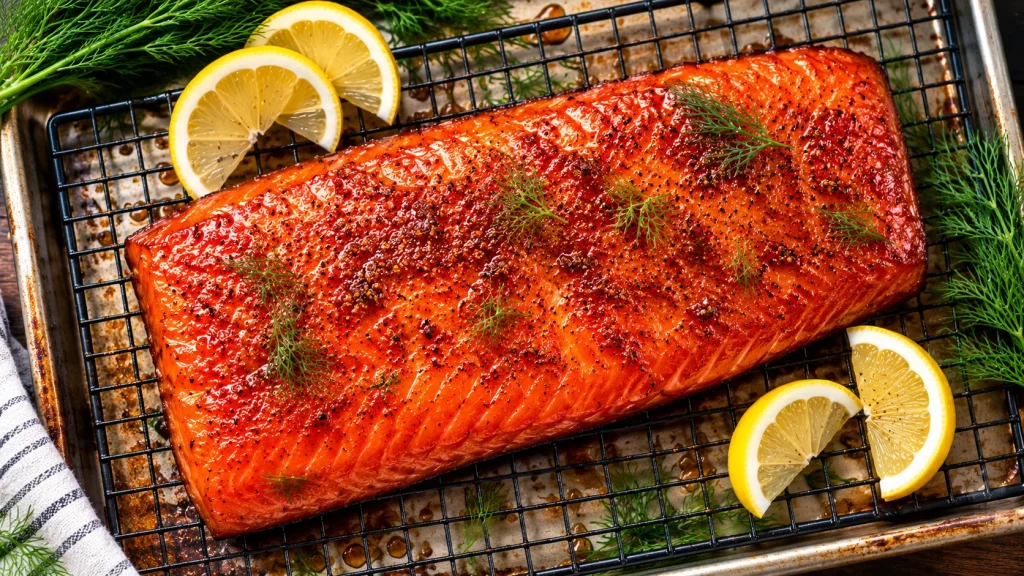
This is the recipe most people start with. Six ingredients, one hour on the smoker, incredible results. It’s the kind of recipe you’ll make over and over.
Ingredients (serves 4):
Instructions:
Tips:
2. Maple Glazed Smoked Salmon
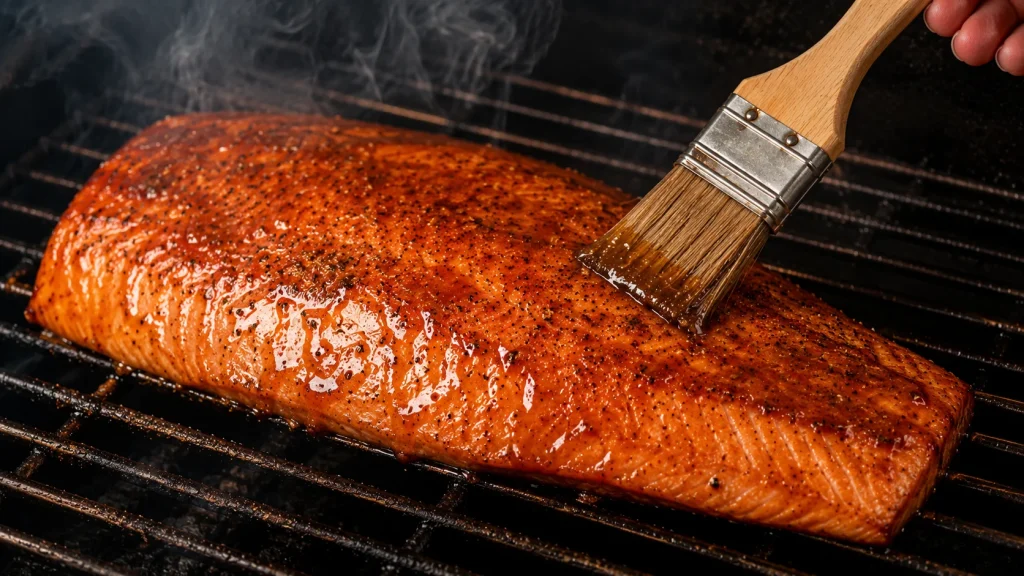
A Pacific Northwest classic. The maple glaze goes on in layers during smoking each layer caramelizes and builds a sticky, sweet coating.
Ingredients:
Wet brine: Soak in 1 quart water + ¼ cup salt + ¼ cup brown sugar for 4 hours. Rinse, dry, form pellicle.
Instructions:
3. Lemon Herb Smoked Salmon
Light, fresh, and great for summer. The lemon zest in the brine gives the fish a clean, bright flavor that pairs beautifully with the smoke.
Dry brine: ¼ cup kosher salt + ¼ cup sugar + zest of 2 lemons + 1 tbsp fresh chopped dill. Rub on salmon, refrigerate 2 hours, rinse, dry.
Smoke at 225°F with cherry or apple wood for 90 minutes. Finish with a squeeze of fresh lemon juice.
4. Spicy Sriracha-Honey Smoked Salmon
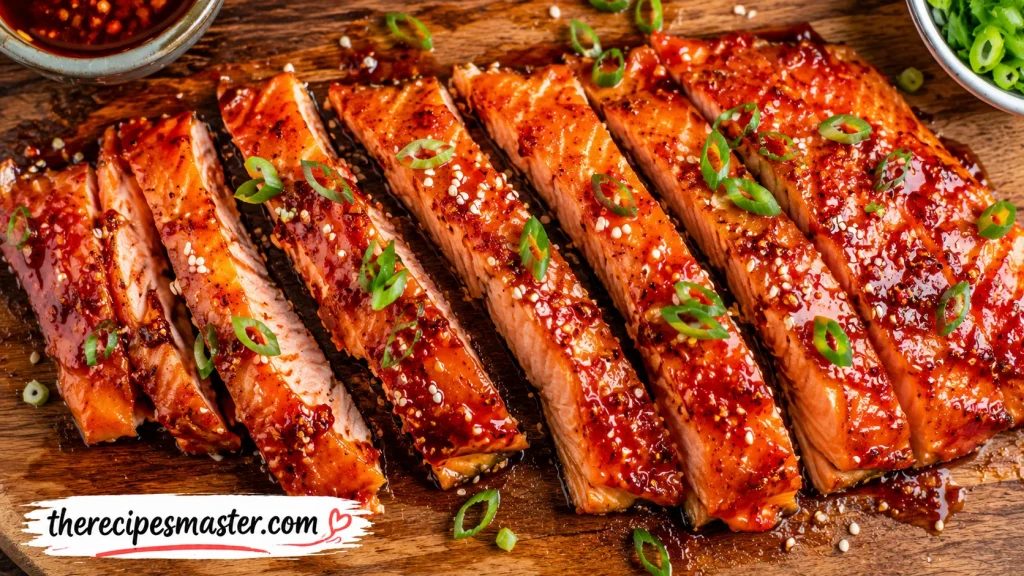
Sweet, smoky, and spicy. The honey balances the heat, and the sriracha builds up beautifully in the smoker.
Glaze: 3 tbsp honey + 2 tbsp sriracha + 1 tbsp soy sauce + 1 tsp rice vinegar.
Dry brine with salt and pepper for 1 hour. Smoke at 250°F with cherry wood. Brush glaze at the 30-minute mark and every 15 minutes after. Pull at 145°F.
Serve over rice with sesame seeds and sliced green onions.
5. Alaska-Style Salmon Candy
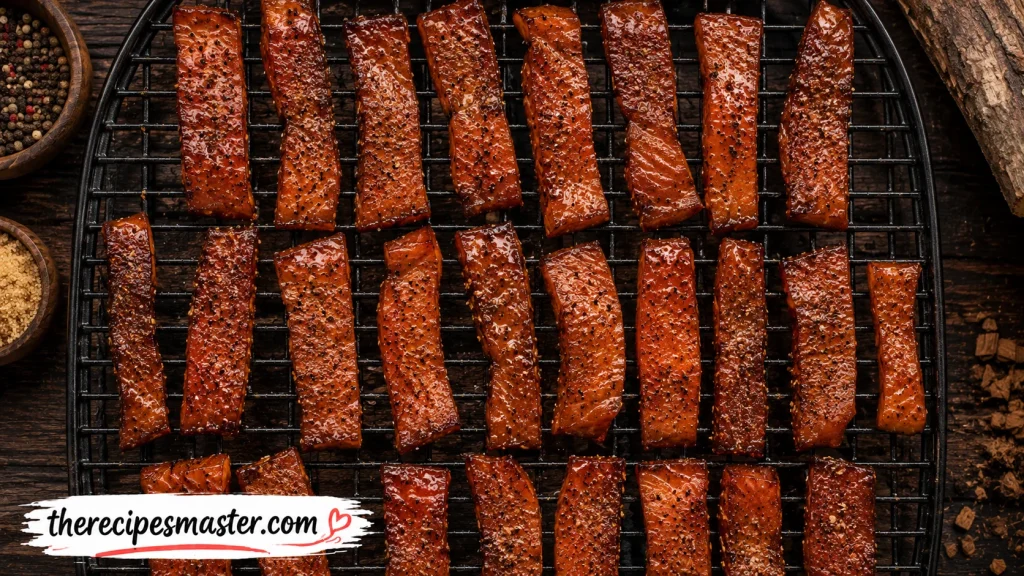
Salmon candy is basically smoked salmon jerky. Strips of salmon are cured in a heavy brown sugar and salt brine, then smoked low and slow until they’re sticky and sweet on the outside, moist on the inside.
Ingredients:
- 2 lbs salmon, skin removed, cut into ½-inch strips
- 1 cup brown sugar
- ¼ cup kosher salt
- ¼ cup maple syrup or honey (for glazing)
Instructions:
This is a crowd-pleaser at every gathering. People who “don’t like fish” will eat it.
20+ Ways to Use Smoked Salmon — Meal by Meal
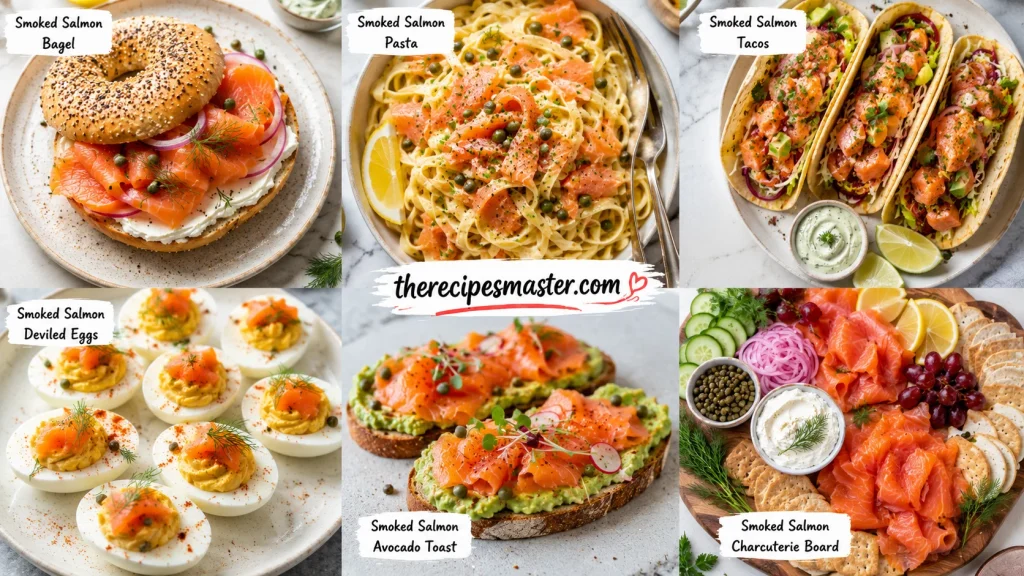
You’ve smoked a big fillet. Or you bought a pack from the store. Now what? Here are 20+ smoked salmon recipe ideas organized by when you want to eat them.
Breakfast & Brunch
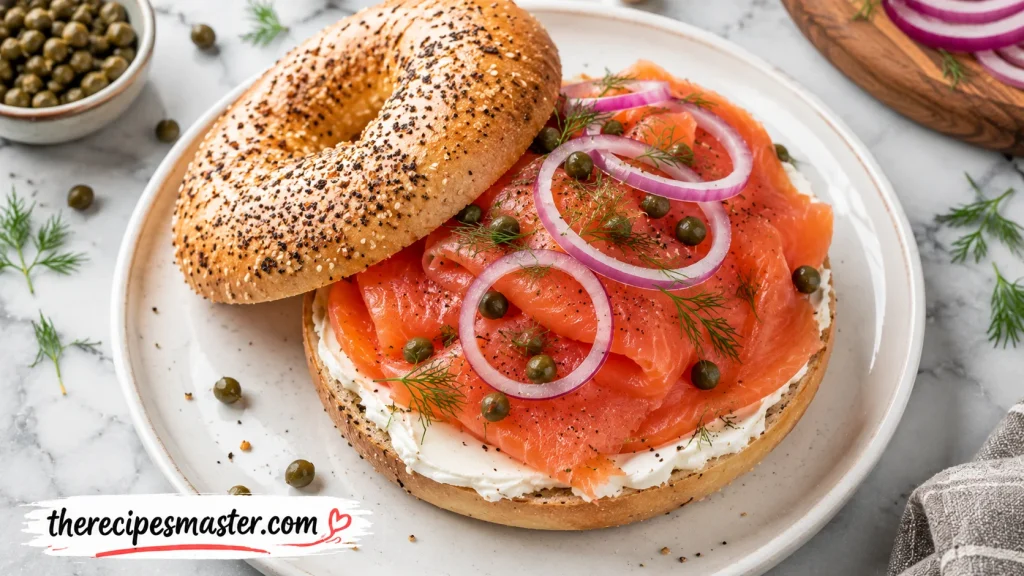
Smoked Salmon Bagel The most popular way to eat smoked salmon. Toast a bagel, spread cream cheese, lay on smoked salmon slices, add capers, thin red onion rings, and a squeeze of lemon. Everything bagels work best. Takes 5 minutes and looks like it came from a New York deli.
Smoked Salmon Eggs Benedict Replace the ham with smoked salmon in your eggs Benedict. Make hollandaise sauce, poach your eggs, set them on toasted English muffins, and lay smoked salmon underneath the egg. Add a handful of fresh dill on top. Restaurant quality at home.
Smoked Salmon Scrambled Eggs Beat 3 eggs, cook low and slow in butter, stir in flaked smoked salmon just before the eggs set completely. The heat from the eggs warms the salmon without overcooking it. Finish with fresh chives. This takes 8 minutes total.
Smoked Salmon Avocado Toast Mash avocado with lemon juice, salt, and red pepper flakes on thick toast. Lay smoked salmon on top. Add everything bagel seasoning, a few capers, and microgreens if you have them. Three variations: basic (just salmon + avocado), loaded (add a poached egg), or spicy (add sriracha drizzle).
Smoked Salmon Frittata Whisk 8 eggs with cream, salt, pepper, and dill. Cook in an oven-safe skillet, add flaked smoked salmon, sun-dried tomatoes, and crumbled feta. Bake at 375°F for 12–15 minutes. Slice like a pizza. Great for feeding a crowd.
Lunch
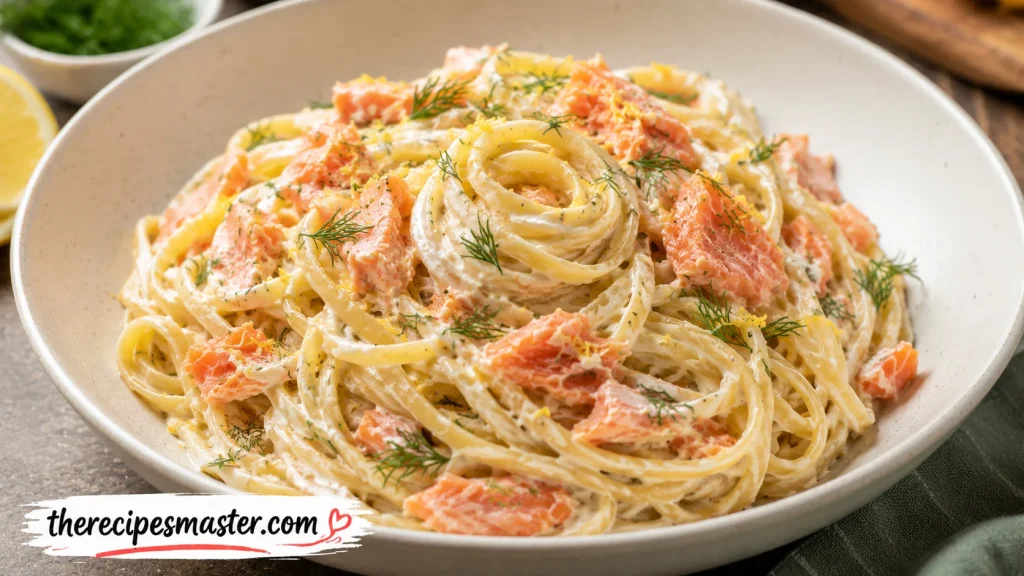
Smoked Salmon Pasta Cook pasta (linguine or spaghetti works best). Save a cup of pasta water. In a pan, heat butter, add cream or cream cheese, lemon zest, and a splash of pasta water. Toss pasta in the sauce, remove from heat, fold in smoked salmon and fresh dill. No cooking required for the salmon the warm pasta heats it gently. This is one of the best smoked salmon dinner recipes for busy weeknights.
Smoked Salmon Salad Start with mixed greens or arugula. Add cucumber slices, thinly sliced red onion, and capers. Lay smoked salmon on top. Dress with a lemon-dill vinaigrette (lemon juice + olive oil + Dijon mustard + fresh dill + salt). Top with a soft-boiled egg for extra protein.
Smoked Salmon Sandwich/Wrap On sourdough or in a tortilla wrap: spread cream cheese or Greek yogurt, add cucumber slices, avocado, smoked salmon, baby spinach, and a squeeze of lemon. This packs well for lunch — keep the salmon separate and add it when you’re ready to eat.
Smoked Salmon Sushi Bowl No rolling required. Cook sushi rice, season with rice vinegar and sugar. Build a bowl with rice, sliced avocado, cucumber, smoked salmon strips, edamame, and pickled ginger. Drizzle with soy sauce and sesame oil. Top with sesame seeds. One of the better easy smoked salmon lunch ideas if you want something filling.
Dinner
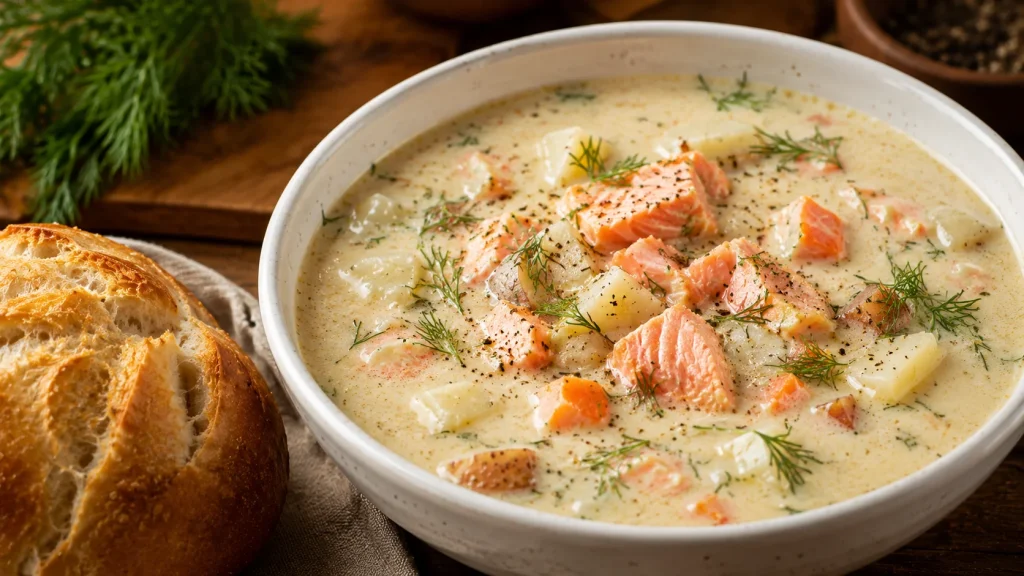
Smoked Salmon Chowder This is pure comfort food. Cook diced onion, celery, and potato in butter until soft. Add chicken or fish stock. Simmer until potatoes are tender. Add cream and flaked smoked salmon. Season with dill, salt, white pepper. The smokiness from the salmon flavors the whole soup without needing any extra seasoning.
Smoked Salmon Risotto Make a classic risotto base with arborio rice, white wine, and warm stock. In the last two minutes of cooking, stir in flaked smoked salmon, lemon zest, and fresh dill. Finish with a knob of butter and parmesan. The smoke flavor mixes into the creamy rice beautifully.
Smoked Salmon Tacos Warm small corn tortillas. Fill with smoked salmon flakes, shredded purple cabbage, sliced avocado, and a drizzle of sour cream mixed with lime juice and sriracha. Top with fresh cilantro. Quick, filling, and different enough to feel special.
Smoked Salmon Flatbread Spread cream cheese on a store-bought flatbread or naan. Add smoked salmon slices, thinly sliced red onion, capers, and fresh dill. Drizzle with olive oil and black pepper. You can eat this cold (no oven needed) or warm the flatbread first. This works as both dinner and a party appetizer.
Appetizers & Party Food
Smoked Salmon Dip Mix 8 oz cream cheese (softened), ½ cup sour cream, juice of 1 lemon, 1 tbsp fresh dill, and 6 oz flaked smoked salmon. Beat until creamy. Taste and adjust salt. Serve with crackers, cucumber slices, or toasted baguette. Three ingredients if you’re in a rush cream cheese, smoked salmon, lemon. That’s all you need.
Smoked Salmon Cucumber Bites Slice a cucumber into thick rounds. Top each round with a small dollop of cream cheese, a fold of smoked salmon, and a caper or dill sprig. No cooking, no prep time beyond slicing. These disappear fast at parties.
Smoked Salmon Deviled Eggs Make your usual deviled eggs. Instead of topping with paprika, top each egg half with a small piece of smoked salmon and a tiny dill sprig. The creamy yolk filling + salty smoky salmon is a perfect combination.
Smoked Salmon Blinis Small Russian-style pancakes (blinis) are the traditional base. You can use store-bought mini blinis or make them from a simple batter (1 cup flour, 1 egg, ¾ cup milk, pinch of salt — cook small circles in butter). Top with crème fraîche or sour cream, a fold of smoked salmon, and dill. These are the kind of appetizers that make people think you spent all day cooking.
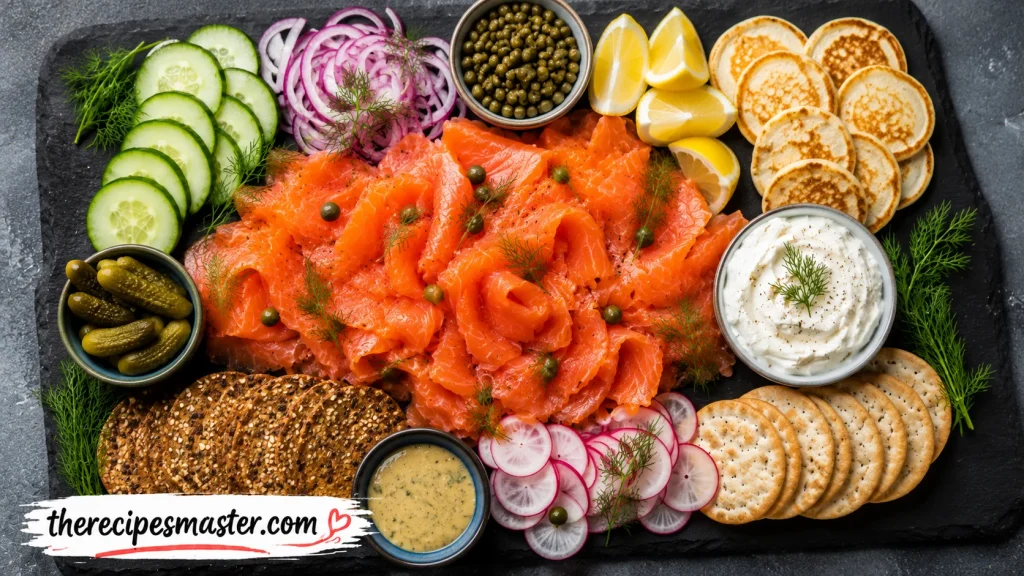
Smoked Salmon Charcuterie Board Build a board around smoked salmon as the star. Around it: cream cheese block, cucumber slices, crackers, capers, red onion, lemon wedges, fresh dill, and blinis. Add sliced radishes and pickled onions for color. Put out a small spoon for the cream cheese and let people build their own bites.
What to Serve With Smoked Salmon
The classic pairings exist for a reason — they work. Classic condiments: cream cheese, capers, thinly sliced red onion, fresh lemon, fresh dill.
Sides for a full meal:
Sauces:
Drinks:
Storage & Shelf Life
Homemade smoked salmon in the fridge: Up to 1 week in an airtight container. Vacuum-sealed homemade smoked salmon in the fridge: Up to 3 weeks.
Frozen: Up to 3 months. Wrap tightly in plastic wrap, then put in a zip-lock freezer bag. Press out all the air before sealing.
Thawing: Always in the fridge overnight. Never at room temperature.
Store-bought smoked salmon: Follow the use-by date on the package. After opening, use within 3–5 days.
How to tell if it’s gone bad: The smell is the first sign it’ll smell off or sour, not just “fishy.” The texture will be slimy instead of slightly tacky. If you see any discoloration beyond normal, throw it out.
Troubleshooting: Common Mistakes and How to Fix Them
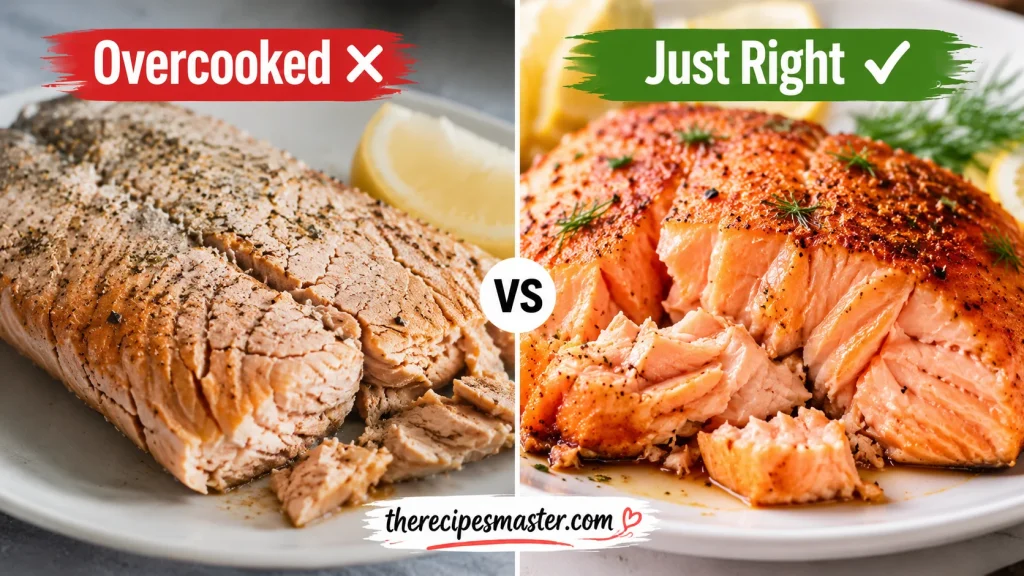
This section doesn’t exist on most other recipe sites. But these are the questions people actually Google after their first smoking attempt.
The salmon is too salty. You left it in the brine too long, or your brine ratio had too much salt. Fix for next time: stick to 1:2 salt-to-sugar ratio in dry brine, and don’t go over 4 hours for fillets. Quick fix now: soak the finished fish in cold fresh water for 20–30 minutes. It pulls some salt out.
The salmon is too dry. You cooked it past 145°F. Once it hits that temperature, pull it off immediately. The carry-over heat will finish it during the 5-minute rest. Some smokers run hot — get a separate thermometer to check your actual chamber temp.
The texture is mushy. You skipped the pellicle step. The fish didn’t have a chance to dry out and firm up before going in the smoker. Next time, always do the air-dry step on a rack for at least 1 hour.
There’s barely any smoke flavor. Your smoker temperature was too high. Smoke flavor comes from smoldering wood at lower temps. Above 275°F, wood burns too fast and produces less actual smoke. Keep your smoking temp between 225–250°F for best smoke absorption.
The skin is sticking to the grates. Oil the grates before you put the fish on. Use a paper towel dipped in vegetable oil and wipe the grates. Or put the salmon on a piece of foil with holes poked in it — this gives the smoke access while making removal easy.
White stuff is coming out of the salmon. That’s albumin — it’s a protein that leaks out when the fish cooks. Totally normal, totally safe. It happens more at higher temperatures. Lower your smoker temp and it appears less. It doesn’t affect the taste at all.
The salmon looks pale and uneven on top. You skipped the pellicle, or pieces were touching each other in the smoker. Give each piece space so air and smoke can reach all sides.
Health Benefits & Nutrition
Smoked salmon isn’t just delicious it’s actually good for you.
Omega-3 fatty acids: Salmon is one of the best food sources of omega-3s, which support heart health, reduce inflammation, and help brain function.
Protein: A 3.5 oz (100g) serving of smoked salmon has around 20–25g of protein and roughly 150–200 calories, depending on the type of salmon and how it was smoked.
Vitamins and minerals: Good amounts of vitamin D, vitamin B12, selenium, and potassium.
One thing to watch: Smoked salmon is high in sodium, especially store-bought cold smoked varieties. If you’re watching your salt intake, homemade hot smoked salmon with a shorter brine time is the better choice.
Wild-caught vs farmed: Wild-caught salmon (like Sockeye or King) generally has more omega-3s and fewer additives. Farmed Atlantic salmon is cheaper and still nutritious, just slightly different in fat profile.
Frequently Asked Questions
A Few Last Thoughts
Smoked salmon is one of the most flexible ingredients in any kitchen. You can spend an afternoon smoking a whole fillet at home and eat off it for a week. Or pick up a pack from the grocery store and have a proper breakfast or dinner on the table in under 10 minutes.
The basic smoking process comes down to four things: good fish, a proper brine, letting the pellicle form, and not rushing the smoke. Get those right and the rest is easy.
Pick one recipe from this list and try it this week. The brown sugar smoked salmon is the best place to start if you’ve never done this before. Once you taste it fresh off the smoker, you’ll understand why people get obsessed with making their own.
Have extra fish on hand? Turn it into a quick tuna sandwich recipe for lunch the next day. Serve it alongside a shrimp cocktail recipe for the perfect seafood appetizer table.